
One of the biggest questions new gardeners ask is:
“What do I actually need to start seeds?”
And the honest answer is — not nearly as much as you might think.
You can start seeds with a very simple setup. But if you plan to grow year after year, investing in better equipment can make the process easier and more reliable.
Let’s break it down into three practical levels:
-
Good – A simple, budget-friendly setup
-
Better – A sturdy, long-term home gardener setup
-
Best – A homestead-level system built to last
You don’t need the “best” to grow good plants. But knowing your options helps you decide wisely.
The Basics: What Every Setup Needs
No matter your budget, you need five essentials:
-
Containers
-
Seed starting mix
-
Light
-
Warmth
-
Water
Everything else just improves efficiency and durability.
GOOD: A Simple, Budget-Friendly Setup
This is perfect if:
-
You’re just getting started
-
You’re growing a small garden
-
You’re testing the waters
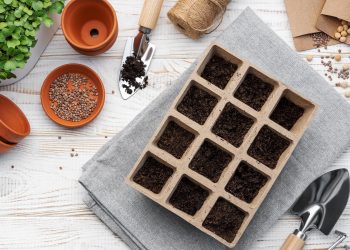
Containers
-
Basic plastic cell trays
-
Peat pots
-
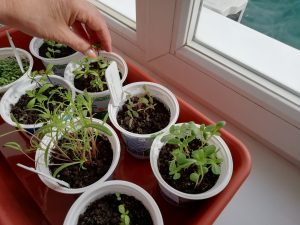
Recycled yogurt cups or food containers (with drainage holes)
They don’t have to be fancy — just clean and able to drain well.
Soil
Use a light seed starting mix, not garden soil.
Garden soil is too heavy and can introduce disease. Seed starting mix is sterile, fine-textured, and drains well. As your skills develop, you can start making your own seed starting mix, but for now, while you are learning, stick with the premade stuff!
Light
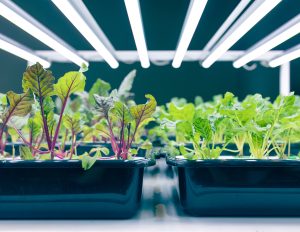
A simple fluorescent shop light hung from chains works well.
Keep lights 2–3 inches above seedlings and run them 12–16 hours per day.
Warmth
If your house stays around 68–72°F, you likely don’t need additional heat for most seeds.
Warm-season crops may germinate faster with a heat mat, but it isn’t strictly necessary in many homes.
Pros of a Budget Setup
✔ Low cost
✔ Easy to assemble
✔ Great for beginners
Limitations
-
Trays may warp or crack
-
Drainage can be inconsistent
-
Lights may not last as long
BETTER: A Sturdy Home Gardener Setup
This level is ideal if:
-
You grow every year
-
You start multiple crops
-
You want fewer frustrations
Heavy-Duty Trays
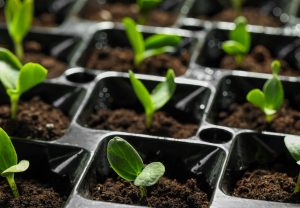
Thicker trays last for years instead of one season.
Look for:
-
1020 trays (with and without holes)
-
Deep cell inserts for stronger root systems
-
Sturdy plastic that won’t bend when lifted
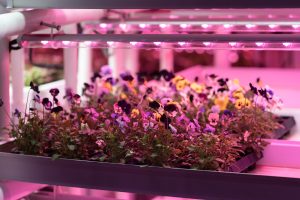
LED Grow Lights
-
Use less electricity
-
Run cooler
-
Last longer
-
Provide consistent brightness
They’re a noticeable upgrade from basic shop lights.
Heat Mats
Helpful for:
-
Peppers
-
Eggplant
-
Tomatoes
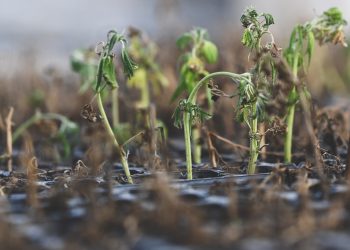
Remove the heat mat once seeds sprout to prevent legginess.
Pros
✔ More reliable
✔ Longer-lasting equipment
✔ Better root development
✔ Cleaner watering system
Limitations
-
Higher upfront cost
BEST: A Long-Term Homestead Setup
This level is for:
-
Larger gardens
-
Market growers
-
Homesteads that depend heavily on transplants
Full Seed Starting Rack System
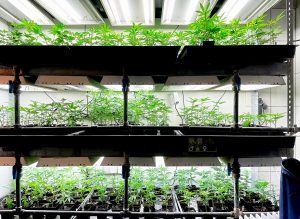
Add:
-
Timers
-
Dedicated power strip
-
Organized labeling system
Professional-Grade Trays
Extra-thick trays designed for commercial growers can last 10+ years if cared for properly.
They:
-
Hold shape
-
Drain consistently
-
Stack neatly
-
Support healthy root systems
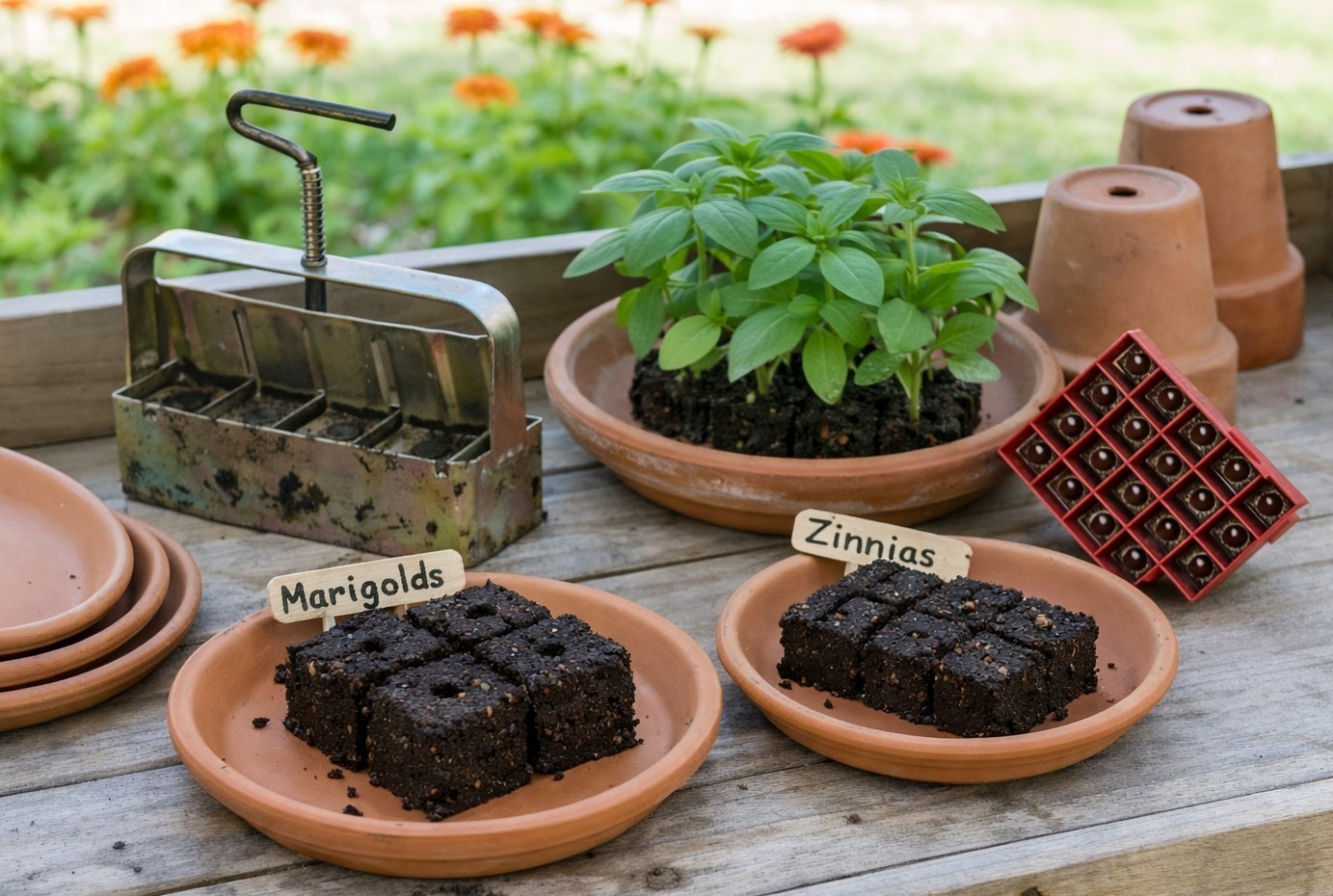
Soil Blocking (Optional Upgrade)
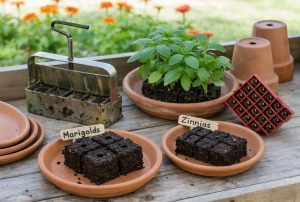
Benefits:
-
No plastic pots
-
Reduced transplant shock
-
Air-pruned roots
It’s not required — but it’s an interesting long-term option.
Do You Really Need the “Best” Setup?
No.
Strong seedlings come from:
-
Proper timing
-
Adequate light
-
Good airflow
-
Careful watering
You can grow beautiful plants with a simple setup.
But if you find yourself replacing trays every year or struggling with uneven growth, upgrading equipment can remove a lot of frustration.
A Practical Approach
If you’re new:
Start with the Good setup.
If you find yourself starting seeds every year and loving it:
Upgrade slowly — better trays first, then lights.
There’s no rush.
Seed starting is a skill that improves season after season.