
Starting seeds indoors is one of my favorite parts of the growing season.
There’s something hopeful about trays of tiny green sprouts sitting under lights while the garden beds are still quiet. It feels like the real beginning.
But timing matters.
Start too late and your plants won’t reach their full potential. Start too early and you’ll end up with tall, floppy seedlings taking over your kitchen table.
Let’s walk through how to do it right — and how to fix things when they don’t go quite as planned.
Why Start Seeds Indoors?
Starting your own seeds allows you to:
-
Get a jump on the season
-
Grow varieties you won’t find locally
-
Save money
-
Control plant health from day one
Strong seedlings lead to strong harvests.
When Should You Start Seeds Indoors?
Everything revolves around your average last frost date.
Once you know that date, count backward based on how many weeks your crop needs indoors.
For example, here in Williston, Florida (Zone 9a), our average last frost date is around February 15. That means we’re starting tomatoes in December, while colder regions won’t begin until March.
Different calendar. Same method.
Step 1: Find Your Last Frost Date
Look it up by zip code or through your local extension office. It’s an average — not a guarantee — but it gives you a reliable starting point.
Step 2: Count Backward
Most seed packets say something like:
“Start indoors 6–8 weeks before last frost.”
If your last frost is May 10 and tomatoes need 6–8 weeks, start them mid to late March.
If your last frost is February 15, you’d start them mid to late December.
Simple, steady planning prevents rushed or overgrown plants.
How Early Is Too Early?
It’s tempting to start seeds the moment you’re ready to garden. I’ve done it.
The result?
-
Leggy seedlings
-
Root-bound plants
-
Crowded shelves
-
Transplant shock
A sturdy 6-inch plant is healthier than an 18-inch one that’s already stressed indoors.
If seedlings begin stretching tall and thin, it’s often a sign they were started too early in warm conditions without enough light.
What Seeds Should NOT Be Started Indoors?
Some crops prefer to be planted directly in the garden:
-
Carrots
-
Radishes
-
Beets
-
Turnips
-
Corn
-
Beans
-
Peas
-
Squash
-
Cucumbers
-
Pumpkins
Root crops especially dislike disturbance. If transplanted, they often grow misshapen or struggle to establish. You will always find those who will tell you that you can start root crops in trays. And technically, you can! But don’t. It isn’t necessary or worth the risk.
Light: The Make-or-Break Factor
If there’s one thing that determines seedling strength, it’s light.
Most windows — even bright ones — don’t provide enough intensity in late winter. Without strong light, seedlings stretch and become thin and weak.
For healthy plants:
-
Provide 12–16 hours of light daily
-
Keep grow lights 2–3 inches above seedlings
-
Raise lights as plants grow
-
Use a timer for consistency
If seedlings are leaning or stretching, lower your lights closer. That one adjustment often solves the problem.
Germination Temperature Matters
Most vegetable seeds germinate best between:
65–75°F
Warm-season crops like peppers prefer closer to 70–80°F.
If seeds haven’t sprouted after the expected number of days, check soil temperature first. A cool room can slow or stop germination.
On the other hand, once seedlings emerge, keeping them slightly cooler helps prevent legginess.
Watering Without Overwatering
Seedlings need steady moisture — but too much water causes more problems than too little.
Overly wet soil can lead to:
-
Mold on the surface
-
Fungus gnats
-
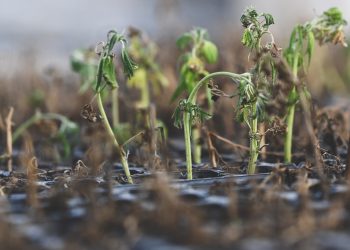
Seedlings collapsing at the soil line
That last issue is often damping off, a fungal problem that causes stems to pinch and fall over.
To avoid this:
-
Keep soil evenly moist, not soggy
-
Allow the top surface to dry slightly
-
Remove humidity domes once seeds sprout
-
Improve air circulation with a small fan
-
Bottom water when possible
If you notice a light white fuzz on the soil surface, it usually means airflow needs improvement and watering should be reduced slightly.
What If Seeds Don’t Germinate?
Before assuming the seeds were bad, check:
-
Were they planted too deep?
-
Did the soil dry out during germination?
-
Is the room too cold?
-
Are the seeds old?
Tiny seeds should be pressed onto the surface, not buried. Larger seeds should only be planted about twice their size in depth.
And remember — seeds must stay consistently moist until they sprout. Even one dry-out period can interrupt the process.
Yellowing Leaves or Slow Growth
If lower leaves turn yellow or seedlings seem stalled:
-
Check for overwatering
-
Make sure drainage is adequate
-
Confirm they’re getting enough light
-
Begin light feeding once true leaves appear
Seed starting mix contains very little nutrition. Once plants develop their first true leaves (not the initial seed leaves), you can feed gently with a diluted liquid fertilizer.
How to Read a Seed Packet
Seed packets provide everything you need:
-
When to start indoors
-
Planting depth
-
Spacing
-
Days to maturity
-
Germination temperature
A simple rule:
Plant seeds at a depth about twice their size.
Very small seeds? Press them into the surface and leave uncovered.
Do You Need a Greenhouse?
Absolutely not!
Many gardeners successfully start seeds in:
-
Spare rooms
-
Basements
-
Kitchens
-
Garages (with a little warmth)
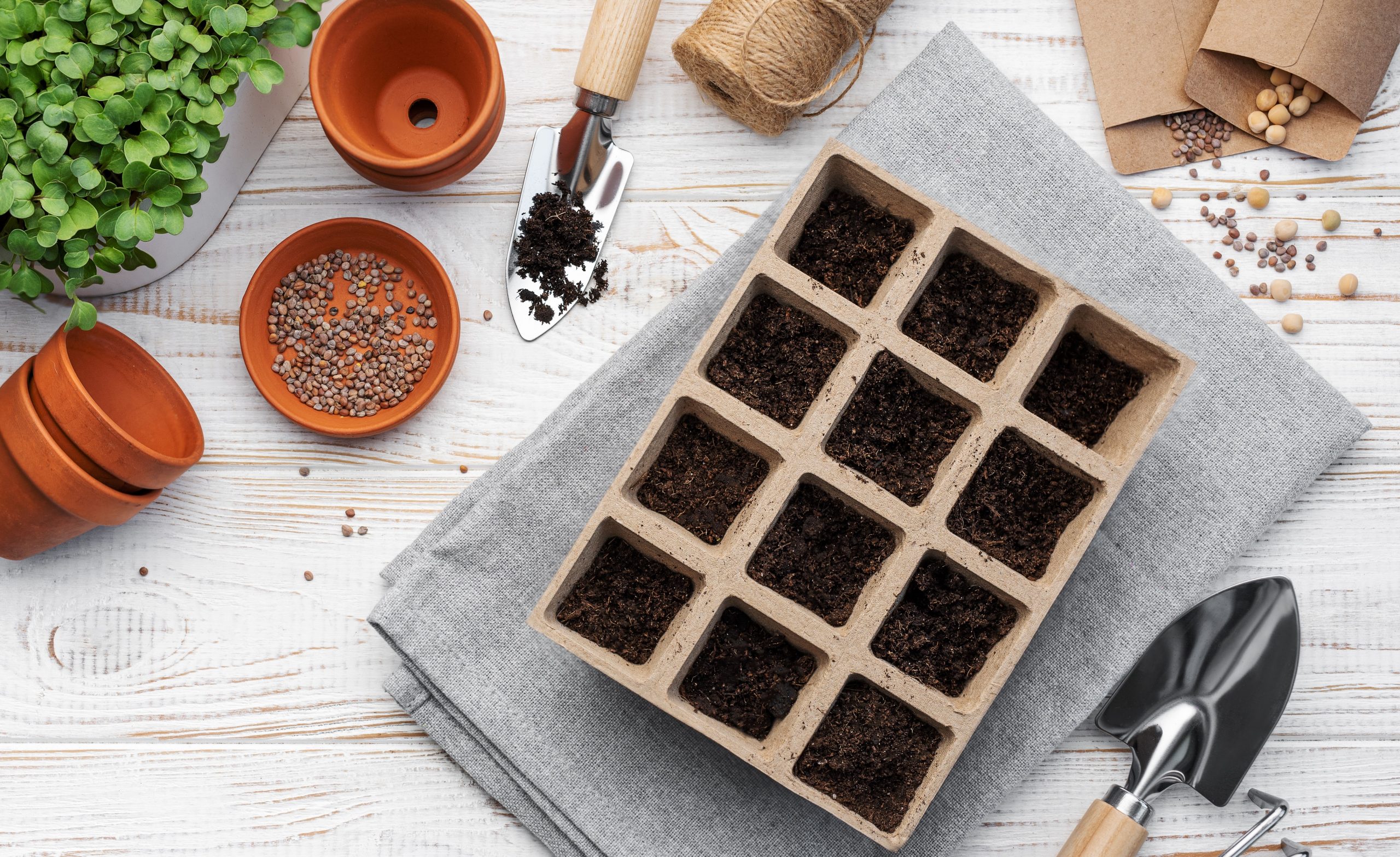
All you need is:
-
Containers
-
Seed starting mix
-
Light
-
Warmth
-
Water
A greenhouse is helpful — not required.
Sample Seed Starting Timelines
Zone 9a Example (Last Frost Around February 15)
-
Early December → Peppers
-
Mid–Late December → Tomatoes
-
Early January → Broccoli and cabbage
-
Mid January → Lettuce
-
Mid–Late February → Transplant
Zone 6 Example (Last Frost Around May 10)
-
Late February → Onions
-
Mid March → Peppers
-
Late March → Tomatoes
-
Early April → Broccoli
-
Mid April → Lettuce
-
Mid May → Transplant
The method never changes. Only the dates do.
Beginner Seed Starting Checklist
✔ Know your last frost date
✔ Count backward correctly
✔ Don’t start too early
✔ Provide enough light
✔ Avoid overwatering
✔ Watch airflow
✔ Transplant at the right time
Starting seeds indoors isn’t complicated — but it does require paying attention.
Each season you’ll learn to read your plants more clearly. A little observation goes a long way.