
Late November 2025 kicked things off with a fluke freeze that absolutely zapped my citrus trees. Then January rolled in, followed by the first week of February 2026, and let’s just say my gardening resolve was thoroughly tested. The temperatures were wild, unpredictable, and very un-Florida-like. But as frustrating as it’s been, this stretch of cold weather taught me a few lessons I wouldn’t have learned any other way.
Potato Plants Are Tougher Than You’d Think
Here’s one bright spot: potato plants can survive down to about 24°F — at least with the right protection.
It all started with a few forgotten potatoes in my pantry that sprouted before we could eat them. I planted them in November, fully aware that the timing wasn’t ideal, but I figured something was better than nothing.
When late November temperatures dipped to around 26°F, I built a quick cover for the potato bed. First, I laid down an old tablecloth, then topped it with a thick, well-worn quilt. Those potatoes didn’t even blink — they sailed right through the cold.
January brought more challenges: several nights at 26°F, followed by one that dropped to 24°F. That’s when I added a third layer — an old comforter. Still no problem. The plants held strong.
Then came the real test: back-to-back nights at 20°F. Three layers of protection just weren’t enough for that kind of cold. Every plant froze back completely, forcing me to harvest early.
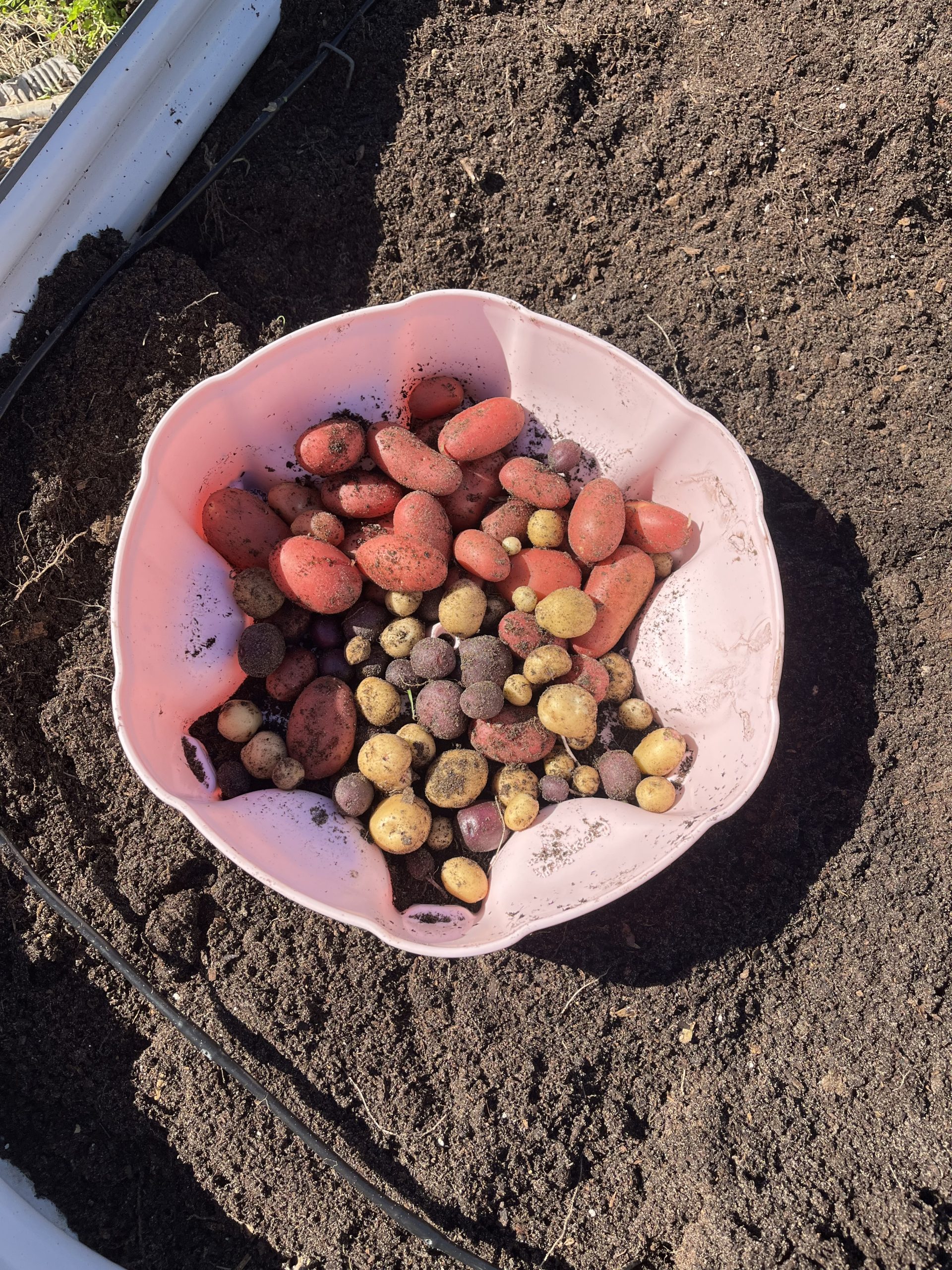
And honestly? It was still worth it. I pulled about four pounds of brand-new potatoes from what started as pantry throwaways. That’s a win in my book. Now I know that as long as temperatures stay in the mid-20s, I can expect a decent harvest next time.
Lemongrass Has a Hard Limit
Lemongrass surprised me — and not in a good way.
Last year, my lemongrass survived temperatures down to about 27–28°F, so I assumed it could handle similar conditions again. Turns out, that’s pretty much its limit. When temperatures hit 26°F, it gave up — and it did so quickly.
Lesson learned: lemongrass is not as cold-tolerant as I hoped, and assumptions based on one mild winter don’t always hold up.
Citrus Trees Need More Than Plastic
This one still hurts.
Even cold-hardy citrus trees need serious protection during hard freezes — and greenhouse plastic alone isn’t enough. I had several citrus trees in a row covered with an old greenhouse cover, supported by stakes to keep the plastic off the foliage. I truly thought that would do the trick.
It didn’t.
By the end of it all, I was down five citrus trees. I’m honestly heartsick over this loss, especially after the time and care invested in them. But gardening has a way of teaching hard lessons, whether we’re ready for them or not.
So I’ll regroup. I’ll replant. And I’ll do it smarter next time.
Because if this winter taught me anything, it’s that trying — even when conditions aren’t perfect — is always worth it.